

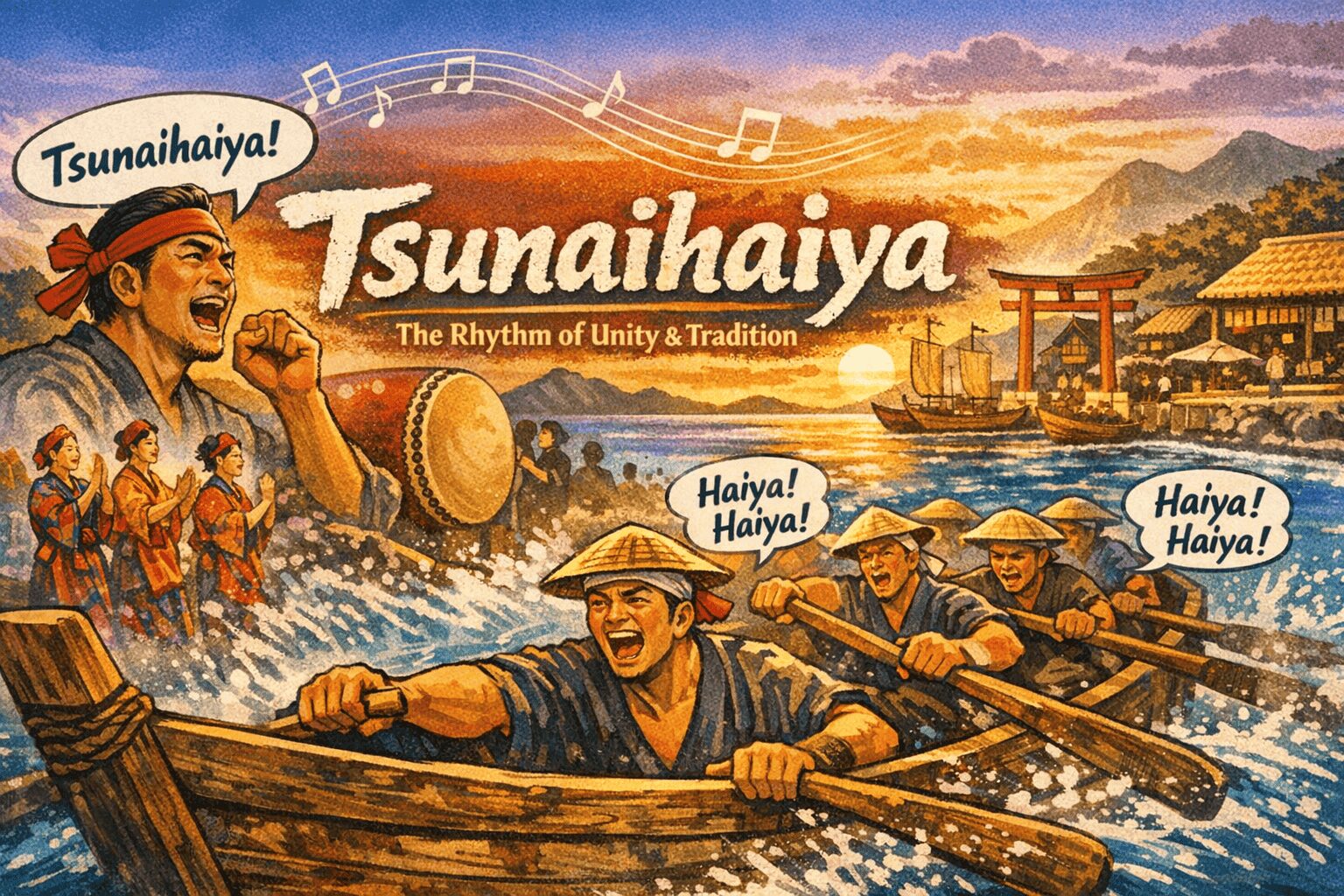
Introduction
Tsunaihaiya is one of these words that sounds a bit peculiar when you first pay attention it. Truely, it doesn’t straight away inform you what it approach. However when you dig a bit, it starts to make experience in a cultural way.
It is usually related with traditional chants, specially in island groups like Okinawa in Japan. Humans used it in group paintings, rhythm-primarily based activities, and once in a while in gala’s too.
Not a contemporary regular word, but nonetheless… it has a robust cultural feel behind it.
So, What Exactly is Tsunaihaiya?
To put it simply, tsunaihaiya is a type of chant. A group chant, actually.
It isn’t like a music you simply concentrate to on Spotify. It’s extra like something humans shout or repeat collectively whilst doing bodily work.
Think of factors like:
- Rowing a boat together
- Pulling heavy ropes
- Working in groups during fishing
- Or performing in traditional events
The concept is straightforward: anyone actions collectively, and the mantra maintains the rhythm alive.
It enables human beings stay in sync. That’s truly the principle factor.
Where Did Tsunaihaiya Come From?
Tsunaihaiya is assumed to come back from traditional Japanese coastal communities, especially Okinawa.
Back inside the day, life became bodily tough. No machines, no engines for the entirety. Humans needed to depend upon teamwork.
So what did they do?
They created rhythm chants.
And tsunaihaiya became one of those expressions that helped people:
- Keep timing while rowing boats
- Stay stimulated in the course of tough work
- Build a feel of cohesion
It wasn’t entertainment at first. It was practical.
But over time… it became cultural too.
The Meaning Behind Tsunaihaiya
Now here’s the interesting part — tsunaihaiya doesn’t have a strict English meaning.
It’s more about feeling than translation.
But symbolically, it usually represents:
- Togetherness
- Rhythm and coordination
- Strength in group effort
- Cultural tradition
It’s like saying: we move as one.
And honestly, that’s the heart of it.
How Tsunaihaiya is Actually Used
If you imagine it happening in real life, it usually goes like this.
Step 1: One person leads
Someone starts the chant. Loud and clear.
“Tsunaihaiya!”
Step 2: Everyone joins in
The group responds together.
“Haiya! Haiya!”
Step 3: Movement starts
While chanting, people do something physical:
- Pulling
- Rowing
- Lifting
- Or dancing in festivals
Step 4: Repeat rhythm
The chant keeps going. Again and again.
Not random. It follows a steady beat.
Step 5: End together
Once the task or performance finishes, the chanting stops as a group.
Simple structure, but very powerful in practice.
Tsunaihaiya in Today’s World
Now, let’s be honest — you won’t see tsunaihaiya in daily life anymore.
Modern machines replaced most of that group labor.
But it didn’t completely disappear.
Nowadays, you may nevertheless discover it in:
- Cultural festivals in Japan
- Traditional performances
- School cultural programs
- Tourism shows
Sometimes artists even mix it into modern performances just to keep it alive.
It has turned more into heritage now than daily work.
Why Tsunaihaiya Still Matters
You might wonder… why even talk about it now?
Good question.
Even though it’s old, it still contains price.
1. It keeps tradition alive
Without things like tsunaihaiya, a lot of cultural memory would just disappear.
2. It teaches teamwork
Everyone must stay together. No one can be off-beat.
3. It builds connection
There’s something emotional about chanting in a group. Hard to explain, but it feels united.
4. It shows history of real life struggle
It reminds us how people worked before modern tools existed.
How People Learn Tsunaihaiya Today
If someone wants to experience it now, it usually happens in a simple way.
Step 1: Watch videos
Search traditional performances online. That’s the easiest start.
Step 2: Listen to rhythm
Don’t focus on meaning first. Just feel the beat.
Step 3: Try repeating it
Even clapping along helps you understand timing.
Step 4: Group practice
It really makes sense only in a group setting.
Step 5: Learn the cultural story
Once you know the background, it becomes more meaningful.
Main Features of Tsunaihaiya
Let’s quickly sum it up:
- It is a group chant
- Based on rhythm and repetition
- Used during physical work or festivals
- Comes from traditional island culture
- Focused on unity and timing
Nothing complicated really.
Just simple human coordination in sound form.
Common Uses in History
Tsunaihaiya was not random chanting. It had real uses:
- Fishing boat rowing
- Farming work
- Rope pulling tasks
- Festival performances
- Community labor events
Basically, anywhere teamwork mattered.
FAQs About Tsunaihaiya
What is tsunaihaiya in simple words?
It is a traditional group chant used to keep rhythm during work or cultural performances.
Is it a song or chant?
More of a chant. Not really a modern song.
Where did it come from?
Mostly linked with Okinawa and Japanese coastal communities.
Do people still use it?
Yes, but mainly in cultural events and performances.
Can anyone learn it?
Yes, it’s simple. You just need rhythm and group practice.
Conclusion
Tsunaihaiya might sound like only a unusual word at the beginning, however it in reality carries loads of cultural that means at the back of it.
It represents teamwork, rhythm, and shared attempt. Things that were important in traditional life, and still matter today in a different way.
Even though it’s not part of modern daily work anymore, it survives in performances and festivals. And honestly, that’s how old traditions stay alive — slowly, but meaningfully.
So yeah… tsunaihaiya is not just a chant. It’s a small piece of human history wrapped in rhythm.