

Introduction
The word “merfez” is not usually utilized in normal English, and plenty of people get burdened after they first see it. In easy terms, it’s miles generally utilized in engineering, production, and plumbing-associated contexts, mainly in Turkish and a few local technical language.
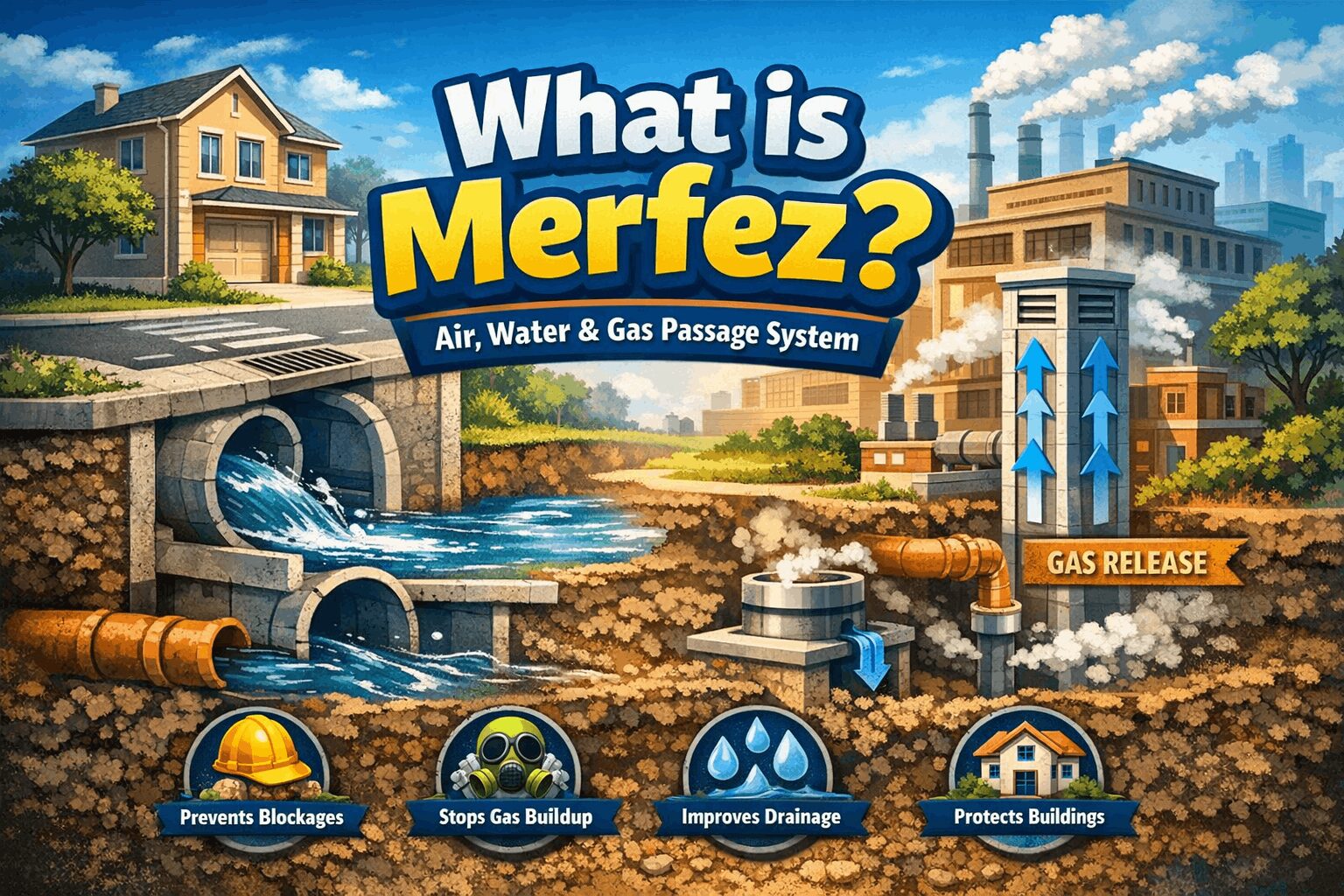
Commonly, merfez refers to a air flow shaft, drainage outlet, or passage device that allows air, gases, or water to move accurately in buildings or underground systems.
Sounds a chunk technical, proper? Don’t fear. In this text, we’ll smash it down in quite simple English so anyone can apprehend it.
What is Merfez? (Simple Explanation)
Let’s keep it basic.
A merfez is:
- A passage or opening in a structure
- Used for air movement, drainage, or waste flow
- Common in buildings, roads, and underground systems
- Designed to hold pressure, gases, and water beneath manage
In simple words:
A merfez is like a hidden “go out path” for air, water, or gases inside buildings or infrastructure.
It enables structures work smoothly with out blockage or stress buildup.
Why is Merfez Important?
You would possibly suppose it’s only a hollow or pipe machine, however it plays a massive role in protection and hygiene.
Here’s why it matters:
- Prevents gas buildup in buildings
- Helps water drainage flow properly
- Improves air circulation in enclosed systems
- Reduces bad smells in drainage systems
- Protects structures from pressure damage
Without a proper merfez system, buildings can face serious problems like blockages, odor issues, and even structural pressure damage.
Where is Merfez Used?
Merfez systems are used in many places, especially in infrastructure and construction projects.
Common locations include:
- Residential buildings
- Commercial buildings
- Underground sewage systems
- Avenue drainage systems
- Industrial facilities
- Basements and parking structures
Basically, anywhere air, gas, or water needs controlled movement.
Types of Merfez Systems
Not all merfez systems are the same. They can vary depending on their function.
1. Air Vent Merfez
Used for:
- Air circulation
- Removing gas buildup
- Balancing pressure in pipelines
2. Drainage Merfez
Used for:
- Carrying wastewater
- Preventing water blockage
- Supporting sewage systems
3. Gas Release Merfez
Used for:
- Releasing trapped gases
- Improving safety in underground systems
4. Structural Merfez
Used for:
- Ventilation in buildings
- Basement air flow
- Heat and moisture control
How Does a Merfez Work?
Let’s simplify it.
A merfez works on a basic principle: movement and pressure balance.
Step-by-step working:
1. Entry Point
Water, air, or gas enters the system.
2. Movement Through Channel
The merfez provides a safe path for movement.
3. Pressure Control
It balances pressure so nothing gets blocked or trapped.
4. Exit Point
The material (air/water/gas) exits safely outside or into another system.
Simple Example of Merfez in Real Life
Reflect onconsideration on your bathroom drainage.
- Whilst you flush the toilet, water movements thru pipes
- Air desires to enter the device to save you suction
- A vent pipe (merfez) allows air to balance pressure
- Without it, water flow becomes slow or noisy
So yes, even your home plumbing likely uses a merfez system without you noticing.
Merfez vs Normal Pipe System
People often confuse merfez systems with normal pipes. They are no longer the equal factor.
Here’s a simple contrast:
| Feature | Merfez System | Normal Pipe System |
|---|---|---|
| Function | Air, gas, water flow control | Mainly liquid transport |
| Purpose | Pressure balance + ventilation | Movement of water or waste |
| Design | Open or ventilated structure | Closed pipeline |
| Usage | Buildings, drainage, sewers | Plumbing, irrigation |
| Safety role | Prevents gas buildup | Mainly transport function |
So basically, merfez is more about control and safety, not just movement.
How Merfez is Installed (Step-by-Step)
Installing a merfez system requires planning and technical work.
Step 1: Site Inspection
Engineers check:
- Building layout
- Drainage path
- Airflow requirements
Step 2: Design Planning
They decide:
- Pipe size
- Vent location
- Connection points
Step 3: Material Selection
Common materials include:
- PVC pipes
- Concrete channels
- Metal vents (in industrial use)
Step 4: Installation
Workers:
- Dig or create passage paths
- Install pipes or shafts
- Connect to drainage or ventilation systems
Step 5: Testing
They test:
- Air flow
- Water flow
- Leak detection
Step 6: Final Sealing
System is closed and protected for long-term use.
Common Problems in Merfez Systems
Like any system, merfez can face issues over time.
1. Blockage
- Caused by dirt or debris
- Slows down drainage
2. Bad Odor
- Happens when gases are trapped
- Poor ventilation design
3. Leakage
- Broken pipes or joints
- Weak installation
4. Pressure Issues
- Air imbalance in system
- Can affect water flow
5. Structural Damage
- Cracks in old systems
- Wear and tear over time
Maintenance Tips for Merfez Systems
To keep everything working properly, maintenance is important.
Simple maintenance steps:
- Regular inspection of pipes
- Cleaning drainage paths
- Checking for leaks
- Clearing blockages quickly
- Ensuring right air flow
How often should you check?
| System Type | Maintenance Frequency |
|---|---|
| Residential | Every 6–12 months |
| Commercial | Every 3–6 months |
| Industrial | Monthly or quarterly |
Importance of Proper Merfez Design
A poorly designed system can cause serious issues.
Good design ensures:
- Smooth airflow
- Proper drainage
- No gas buildup
- Long-term durability
- Low maintenance cost
Bad design can lead to:
- Frequent blockages
- Structural damage
- Health risks from gases
- Water overflow problems
Merfez in Modern Construction
In modern buildings, merfez systems are more advanced.
Improvements include:
- Smart ventilation systems
- Anti-clog pipe design
- Eco-friendly drainage structures
- Computerized strain control
Developers now consciousness on:
- Safety
- Efficiency
- Long-time period sustainability
Safety Considerations
Merfez systems deal with gases and waste, so safety is important.
Safety tips:
- Always use certified materials
- Make certain right sealing
- Keep away from DIY changes
- Follow engineering standards
- Regularly inspect older systems
Advantages of Merfez Systems
Let’s quickly summarize benefits:
- Better air circulation
- Smooth drainage flow
- Prevents gas buildup
- Protects building structure
- Improves hygiene conditions
- Reduces maintenance issues
Disadvantages or Limitations
Nothing is perfect, and merfez systems also have limitations.
- Installation cost can be high
- Needs technical design
- Requires maintenance
- Can fail if poorly built
- Not visible (hard to inspect sometimes)
FAQs
1. What does merfez mean in simple words?
It’s far a system or passage that lets in air, gas, or water to move safely in homes or infrastructure.
2. Is merfez used in homes?
Yes, specially in plumbing and drainage systems.
3. Is it the same as a pipe?
Not exactly. Pipes carry liquids, while merfez also helps with air and pressure control.
4. Can a merfez get blocked?
Sure, and it may reason drainage and odor troubles.
5. Who installs merfez systems?
Trained construction or plumbing professionals.
6. Is maintenance necessary?
Sure, regular renovation could be very critical for correct function.
Conclusion
Merfez may sound like a technical or unfamiliar phrase, however its concept is clearly very important in everyday infrastructure. It plays a key role in drainage, ventilation, and strain control structures in buildings and underground systems.
With out it, contemporary production would face extreme issues like terrible airflow, water blockage, and even safety dangers.
So despite the fact that you can not see it at once, merfez is running quietly behind the curtain in almost every modern-day constructing.
Simple idea, but very important system.